Press Kit
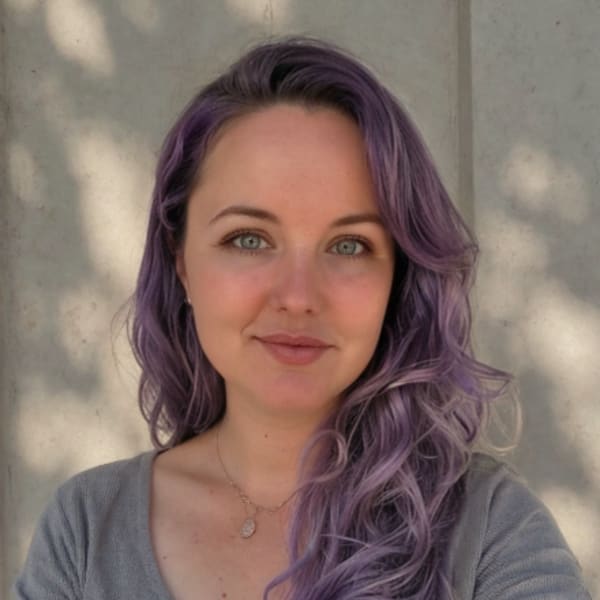
Katie-jo is an author, advocate, and speaker writing at the intersection of disability, neurodiversity, and Christian faith. She is the author of three novels featuring disabled protagonists, as well as non-fiction works, including Rest for the Weary: Biblical Support for Autistic Burnout and Recovery and Peaceful Parenting with PDA, which model compassionate, low-demand parenting rooted in God’s heart of love rather than strict discipline.
Her forthcoming book, The Neuro-affirming Church, equips church leaders to address systemic ableism and build genuinely inclusive communities.
In addition to her books, Katie Jo writes songs and poetry that tackle issues of social justice, disability representation, and the dismantling of patriarchal structures in church culture. Her creative work invites readers and listeners into deeper reflection on what it means to follow Jesus in a world that often excludes the very people He centred.
Katie Jo is based in Bedford, England, and is available for podcast interviews, guest articles, and speaking engagements.
Speaking Topics
1. Autistic Burnout and Biblical Rest
Autistic burnout is often misunderstood as laziness, weakness, or spiritual failure. This session explores what burnout really is, why it disproportionately affects autistic Christians, and what Scripture actually says about rest, exhaustion, and God's heart for the weary. Participants will leave with both theological grounding and practical strategies for prevention, recovery, and supporting others.
2. Peaceful Parenting with PDA: Connection Over Compliance
Raising a child with Pathological Demand Avoidance (PDA) challenges conventional parenting wisdom—and often, conventional church teaching on obedience and discipline. This talk models why low-demand, connection-based parenting reflects the character of Jesus more accurately than compliance-focused approaches, and offers practical strategies for building trust, reducing anxiety, and honouring autonomy while maintaining healthy boundaries.
3. The Neuro-affirming Church: Confronting Ableism in Christian Communities
Many churches want to be inclusive but don't know where to start beyond accessibility checklists. This session challenges congregations to move toward genuine inclusion by confronting systemic ableism, centring disabled and neurodivergent voices, and reimagining worship, leadership, and community in ways that reflect God's heart for marginalised people.
4. Disability, Faith, and Justice: What the Church Gets Wrong (and Right)
Disability is often framed in the church as a tragedy to overcome, a test of faith, or an opportunity for inspiration. This talk dismantles those harmful narratives and explores what disability justice actually means for Christian discipleship—inviting churches to become places where disabled people are not objects of pity but full participants, leaders, and image-bearers.
5. Creative Resistance: Using Fiction, Poetry, and Song to Challenge Ableism and Patriarchy
Stories and songs shape culture—including church culture. This session explores how creative work can confront ableism, patriarchy, and exclusion in Christian spaces, and why art matters for social change. Suitable for writers, artists, and anyone interested in how creativity fuels justice.
6. Neurodiversity and Spiritual Formation: How Autistic and ADHD Brains Experience Faith Differently
Neurodivergent people often experience worship, community, and spiritual practices in ways that differ from neurotypical norms. This talk explores how autistic and ADHD brains engage with faith, why sensory and social differences matter for spiritual formation, and how churches can create spaces where neurodivergent people thrive rather than merely survive.
I’d love to hear from you.
Whether you’ve just finished one of my books, want to share how a piece of writing landed with you, or simply have something on your mind, my inbox is always open. Your stories and perspectives matter, and I read every message.
I’m also available for:
- Podcasts and interviews — I enjoy thoughtful conversations about neurodiversity, disability, faith, and inclusive communities. If your show explores these intersections (or adjacent topics), I’d be glad to join as a guest.
- Guest articles — I write on disability and faith without the platitudes. If you’re looking for pieces that are honest, nuanced, and grounded in lived experience, let’s talk about what might fit your publication.
Drop me a line using the form below. I may not reply instantly, but I will get back to you.